Have you ever scrolled through Instagram and stopped on a post because it made you laugh out loud, then shared it with a friend? Are hashtags losing their magic touch in helping content increase its reach on Instagram? Have you sensed a growing gap between brands and their social media community?
Well, you aren’t alone. Instagram noticed some of those minor disconnects and updated the platform, while consumers and brands felt the impact of the algorithm change. Adam Mosseri, Chief of Instagram, said, “More important than watch time or like and comment counts is send rates, [and] generally, I think the rate is more important than the count. So, the number of sends per reach, the number of likes per reach, the number of comments per reach. But sends per reach correlate more, in my experience, with overall reach than anything else because we are looking to help people discover content they want to connect with friends over, and so sends is a great proxy for that sort of connection over creativity.”
This shift mirrors a broader trend in social media, where entertainment and shareability take precedence over more general engagement. Here are a few approaches to reassess your social strategies on Instagram in 2025 using these methods.
Creating Shareable Content
Instagram prioritizes shares per reach as a ranking factor. This means that to increase reach and engagement, brands must produce shareable content, which the algorithm considers to have higher value.
High-value content is relatable, entertaining, and emotional. Users seek content that makes them laugh and can be shared with close individuals. Therefore, focusing on creating thumb-stopping and entertaining content encourages them to share with friends.
When developing social content, ask yourself what value the content brings to people. Does this content evoke an emotion? Is it funny or informative? Would you share this post with your best friends or partner?
Building Communities with Broadcast Channels
In 2025, users want to feel heard and seen, and brands pushing out one-way communication will not be enough. Consumers seek content and ways to connect with brands beyond aspirational content. One way for brands to reach their followers is through broadcast channels.
So much engagement happens inside the DMs, so Instagram rolled out broadcast channels for brands this year. Brands that have ventured into broadcast channels are creating a space where users can feel like they are part of the brand’s close friends–getting the latest updates, behind-the-scenes giveaways, voice notes, exclusive first looks at products, and polls. Ultimately, they feel like they’re a part of a community. They’re insiders.
If you plan to utilize or test broadcast channels in 2025, remember to align with your brand’s tone of voice. Find your niche, focus on content ideas beyond giveaways, foster a connection with your audience, and create a two-way conversation.
SEO Tips for Instagram
Hashtags are becoming less impactful on Instagram, and instead, the focus has been on keywords. Keywords on Instagram act like SEO and help content appear in search results. Utilizing common words that a consumer might use when searching for products, services, or phrases helps content be seen and discovered by users. At least four keywords help with searchability and reach within that sentence. Optimizing your brand’s Instagram bio is another way to help increase discoverability; adding keywords to your name field can be just as valuable.
Before sharing content, consider the keywords and phrases your target audience typically uses when searching for relevant information. Pro tip: update your bio and name field with keywords to help improve your profile’s searchability.
At Amp, we’re constantly helping brands navigate the ever-evolving social media landscape through our full suite of social media services.
The article from Net Influencer discusses the emerging trend of “de-influencing,” where consumers increasingly seek authenticity and value over mere product promotion. This movement prompts brands to adjust their marketing strategies towards more transparent and genuine engagements to maintain consumer trust. Lisa Tristano Martin, Amp’s Group Director of PR and Influencer Marketing, is featured, emphasizing the importance of authentic brand-influencer relationships and the proactive management of potential negative feedback to uphold brand integrity in this new consumer environment.
You can read more about it in the full article here.
The article from LBB Online, written by Molly Miloscia, Amp’s Director of Social Media, explores the resurgence of static content on social platforms, notably Pinterest, among Gen Z users. It details how static imagery is regaining popularity due to its appeal for more authentic and less invasive content than dynamic video, reflecting a shift towards more mindful social media consumption. This trend is significant for marketers as it indicates a broader movement toward authenticity and could influence future social media strategies.
You can read the full article here.
The creator economy continues to grow with no sign of slowing down. With more than 200 million creators worldwide, it grew to a $250 billion industry in 2023 and is projected to double in size by 2027.
Amp recently surveyed U.S. creators to learn more about them as professionals, exploring their brand partnership preferences and pain points. About half of the creators who responded are represented by management, and half do not currently have management.
As influencer program managers, it’s our responsibility to guide our clients toward optimal results in their creator partnerships. We work diligently to identify and collaborate with carefully selected partners who align with our clients’ brand values and target audience. We have demonstrated a proven track record of posting high-performing content that drives engagement and reach.
Focusing on the following four areas helps ensure your creator relationships work harder for your brand.
- A Well-Organized Process is Key
With the growing demand for creators and influencers, nearly 52% of respondents felt overwhelmed with the work required to deliver on their contractual obligations. A disorganized process (27%) or too many revisions (24%) drives this for those overwhelmed. The work keeps coming, with nearly 3 out of 4 respondents saying they plan to take on more paid brand partnerships in 2024.
Separately, 55% of respondents said that they value a well-organized process, so it’s essential for agencies and brands to streamline the influencer program process as much as possible.
At Amp, we have established and optimized processes that ensure fair negotiations, expedited contracting, a clear and concise brief, and automated payment processes.
- Fair Rate Negotiations
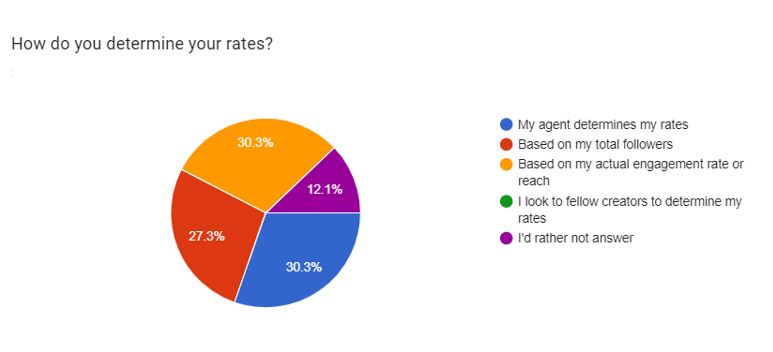
The growing demand has allowed creators to increase their rates. Our survey found that creators primarily determine their rates in these three ways:
- My agent determines my rates (30%)
- Based on my total followers (27%)
- Based on my actual engagement rate or reach (30%)
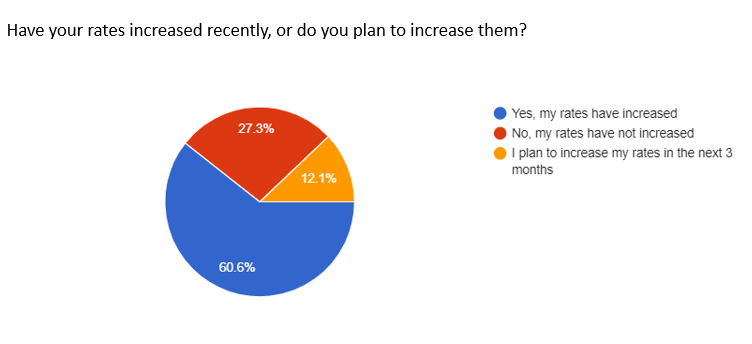
Seventy-three percent of creators said they either increased their rates recently or planned to in the coming months. The top reasons for rate increases include more followers on their channels (58%) and other creators they know have increased their rates (21%). Surprisingly, one in five creators increase their rates around holidays and other peak seasons.
Influencer managers must consider various factors when evaluating and negotiating rates, including the creator’s average reach, content quality, usage, and exclusivity terms.
- Build Mutually Beneficial Relationships
The most successful creator partnerships are mutually beneficial. To help a creator feel valued and genuinely connected to a brand, influencer program managers must acknowledge and respect the expertise and skills they have built.
Creators said that when working with brands and agencies, they most value the opportunity for longer-term partnerships (79%). They also value creative freedom (58%) and fair rate negotiations (58%). The most frustrating aspect for creators when working with brands and agencies is when a brand wants them to make content that feels like an ad (70%). Lack of creative freedom came in second place at 49%.
While these challenges may appear straightforward and seemingly easy to resolve, complexities arise when brands confront pressures from their legal and product teams, making it challenging to navigate through the difficulties.
An anonymous creator respondent said, “Allowing the creator creative freedom brings out the best form of creativity. Work with the creator on the brief to allow them to share how they want to bring it to life and trust them to execute it.”
Another respondent said, “I believe the most challenging issue when it comes to partnerships is tight deadlines and unattainable turnarounds.”
- Go Beyond Social
Consumers will start seeing creator-generated content and influencers appearing beyond their social feed, from websites to email newsletters and earned media coverage. Three of four creators would feel comfortable serving as brand spokespersons for PR media interviews, assuming they are prepared with proper media training.
We’ll see more multidimensional influencer programs as marketers seek value beyond vanity metrics. Finding ways to extend influencer—and creator-generated content beyond social media will be cost-efficient and effective.
For greater effectiveness, creator collaborations should be considered brand partnerships rather than one-off content plays or plug-and-play extensions of a media buy. Adjusting how you see creator partnerships’ value within your marketing mix can unlock new and creative opportunities. If you liked this article, we invite you to learn more about our influencer marketing capabilities.
How often have you heard the phrase, “Let’s make this influencer post go viral!”? If it’s too many to count, you’re not alone. Along with generating engagement and sales, it seems that influencer marketers all have one underlying goal: to make our influencer content go viral. While it’s nearly impossible to predict the success of influencer content, there are intentional approaches you can implement to set your influencer – and client – up for success in the ever-evolving digital landscape.
Creative Freedom: First and foremost, letting your influencer have the creative freedom to create content that is true to their voice and aligns with your client’s brand messaging and values will help the content come across as natural and not ad-like.
Quality results take time to build, which is valid for influencer marketing. It’s crucial to the success of your campaign to have conversations, brainstorm, and hold content development sessions to lay the foundation for a strong, trusting partnership. Of course, you must ensure your influencer hits key messaging and follows FTC guidelines. Still, the natural, authentic content you strive to achieve will be realized by leaning into the influencer’s creative expertise.
Create Impactful Content: When conceiving content, certain avenues should be explored to aid in a post’s virality. First, the content should have an emotional impact. Influencer content that evokes significant emotion is more likely to receive engagements, giving the post a greater chance to catch on in the always-changing algorithm.
Amp’s Southwest Airlines collaboration with influencer Isaiah Garza (3.2M YouTube followers) perfectly combines creative freedom and emotion. For this campaign, we partnered with Isaiah to take a child battling cancer to their dream destination. Isaiah took the reins creatively and implemented subtle brand messaging to create a widely shared video across social media, garnering 58.1M organic views on YouTube. We saw a high volume of comments, a testament to the emotional connection between the viewers and the campaign message, Go With Heart.
Second, content should be relatable and helpful to have a greater chance of resonating with a broader audience. People use social media to connect with others, share ideas, and gain new perspectives on many topics. An influencer post from Christy Cooks (372K Instagram followers) sharing an insightful spin on how to make Maruchan’s notable Instant Lunch is an excellent example of this. By sharing a fun, easy way to elevate this well-known lunch option, she garnered 1.4M organic views on Instagram, reaching more than three times her follower base.
Be Relevant: Another approach to consider in helping content go viral is tapping into current trends, whether trending audio or capitalizing on trending content styles.
For our Denizen by Levi’s influencer campaign, we partnered with Steffy, who had 412K Instagram followers at the time of posting, to create content featuring a select style of jeans. Steffy’s Instagram Reel was seasonally relevant, featuring trending Halloween audio and fun, snippy transitions, which led the post to garner 1.2M organic views (three times her follower base).
Liam Reid (24K Facebook followers), an outdoor enthusiast, is another Amp influencer partner who tapped into the popular Day in the Life trend, sharing a video about how he spends his day living on his boat while subtly promoting Lippert’s Taylor Made boat fenders and CURT truck hitch. Liam captivated his audience by showcasing his summer morning and afternoon routine. Due to the unique nature of the content, as well as hopping on this relevant trend, this Facebook Reel garnered 1.2M organic views (five times his Facebook following).
Timing and Real-Time Engagement: The last approach, and possibly the most difficult nut to crack, is to lean on the influencer’s expertise and insights into the logistical side of sharing content. By working with the influencer to post when they see the highest engagement, ensuring they interact with comments on their post in real-time, and utilizing relevant hashtags and keywords, your influencer post will have a greater chance of going viral.
A recent influencer post for our client, The Moorings, is a perfect example of combining impactful content and tapping into trends, timeliness, and real-time engagement. Our influencer partner, The Globe Wanderers (276K Instagram followers), created an Instagram Reel, tapping into the “IDK who needs to hear this…” trend, telling their audience that this was their sign to book a trip on a yacht charter with nine other friends and island hop the British Virgin Islands for only $2,500 a person. The post, which garnered 21.5M organic views (almost eight times their following), was short, direct, and featured audio that evoked that sunny vacation feeling. Also, this post was shared in January, when many people were seeking warmer climates and planning summer vacations.
The Globe Wanderers received a significant amount of comments on their post. To keep the post’s momentum going, they replied to just about every comment, answering questions and generating excitement among their audience.
Although there is no guaranteed way to make influencer content go viral, keeping these approaches in mind while planning can increase the likelihood of a successful post. True collaboration with your influencer partners will help to unlock their full potential.
UMG, TikTok, and how brands can attract new audiences
When you think of TikTok, what comes to mind first? Is it users lip-syncing to songs, parodies of viral memes, or even an overly-convoluted dance to a 15-second clip? No matter what comes to mind first, chances are that your first thought was something attached to a specific audio.
What sets TikTok apart from other platforms is its need to be sound forward in a social world where imagery and aesthetics usually take the forefront. Many would argue that TikTok has positively impacted the music industry and artists’ ability to share their music with the world. A 2023 study in the US found that TikTok users are nearly twice as likely to discover and share new music content on social platforms compared to the average user of social platforms.

However, in February 2024, TikTok users everywhere were shocked when UMG (Universal Music Group) decided to pull all of their artists’ music from the platform. This includes music from the likes of Taylor Swift, Olivia Rodrigo, and Drake – artists who had trending songs, dances, and moments throughout TikTok’s rise to popularity. Videos that before had millions of views are now muted and failing to make cohesive sense due to the lack of audio.

Now, we’re left with a question: what does TikTok look like without UMG artists’ music on the platform? Does this level the playing field for brands unable to utilize this music in the first place?
Brands have been fighting for visibility on TikTok since the app began and are often unable to participate in popular sound trends due to legal issues. Now, without as many trends brands can’t jump on, they can cut through the noise and gain impressions in trending moments.
Below are our top three ways brands can contribute to trends on the platform without many of these popular songs.
1. Lean into “meme sounds”
Although music is the main focus of trending videos on TikTok, so are “meme” sounds – including clips from shows, interviews, and viral videos. Incorporating your brand’s personality to mesh with this trending sound style opens up your audience to even more possibilities.

2. Embrace original audio
Voiceovers, voice filters, and more – TikTok allows many different options for spicing up your original audio content. Utilizing these features not only fits into trends but showcases to the TikTok algorithm your dedication to the platform. A recent study showed that 65% of TikTokers prefer content from brands that include original sound.

3. Source trends that are not audio-specific
If using audio intimidates your client, find trends like this one that doesn’t use specific audio, and make it your own!

Even with all the rules, regulations, and legal sound requirements, TikTok has always been a place for fun. The brands that thrive on the app are the ones who aren’t afraid to be a little silly and authentically experiment with all the features the app has to offer. The UMG sound removal changes the platform’s formula but not its message – and brands who take advantage of this shift have a better chance of attracting new audiences.